Discover Hill House Floor Gapyeong Pine Nuts, Tofu
If you’re driving along 248 Sumogwon-ro, Sang-myeon, Gapyeong-gun, Gyeonggi-do, South Korea, you might not expect to stumble upon a place as quietly memorable as Hill House Floor Gapyeong Pine Nuts, Tofu. Tucked near the lush greenery of Gapyeong, this restaurant feels less like a commercial stop and more like a well-kept local secret. I first visited on a recommendation from a colleague who studies regional Korean cuisine, and honestly, it changed the way I think about tofu-based dishes.
The menu centers on pine nuts and handmade tofu, two ingredients that Gapyeong is particularly proud of. In fact, Gapyeong is widely known for its high-quality 잣 (pine nuts), thanks to the region’s clean mountain air and well-drained soil. According to data from the Korea Forest Service, Gapyeong accounts for a significant share of the country’s pine nut production, and you can taste that freshness here. The pine nuts aren’t just sprinkled on top as garnish; they’re ground into sauces, blended into soups, and even infused into rice.
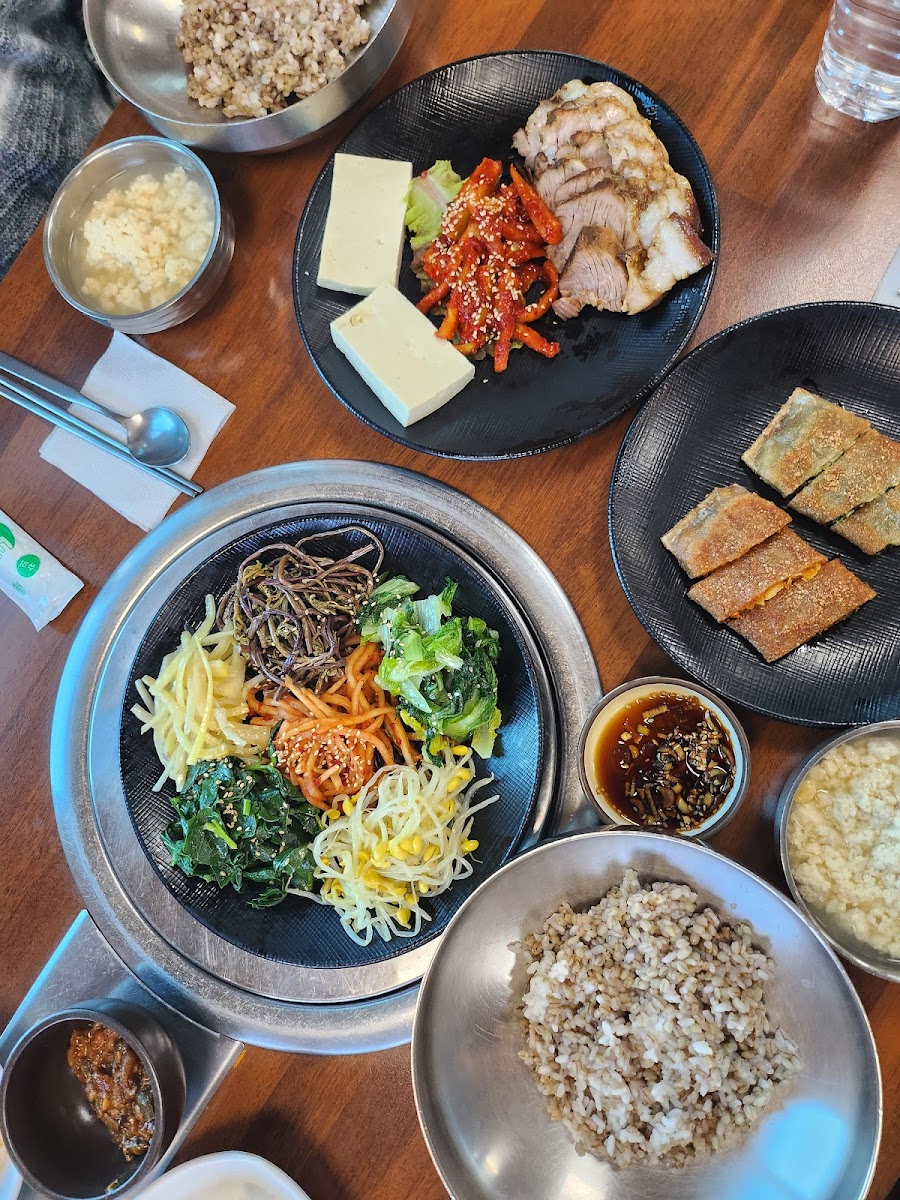
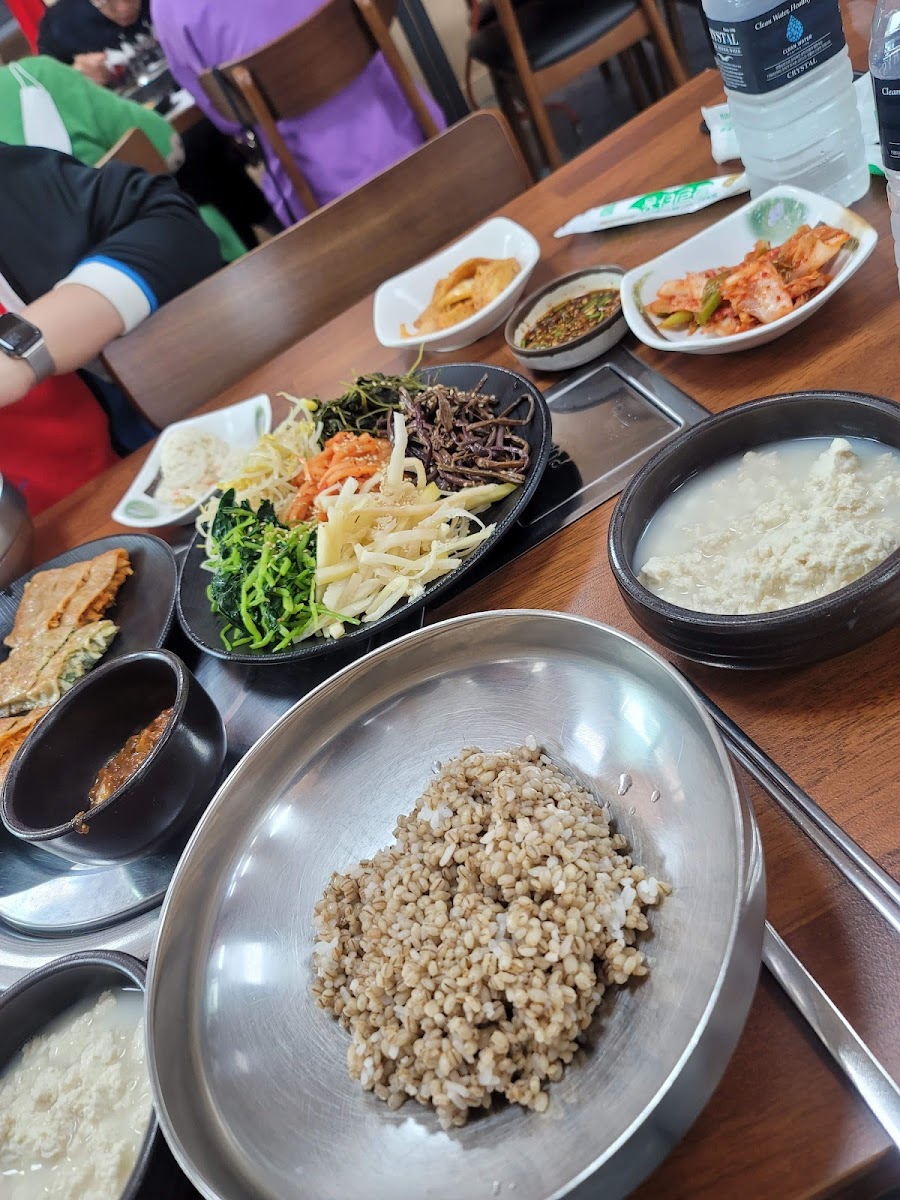
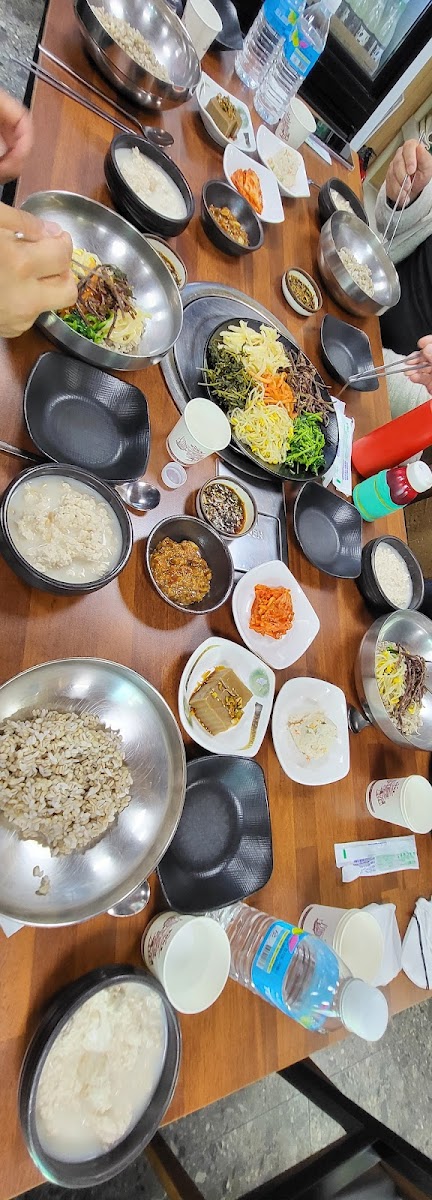
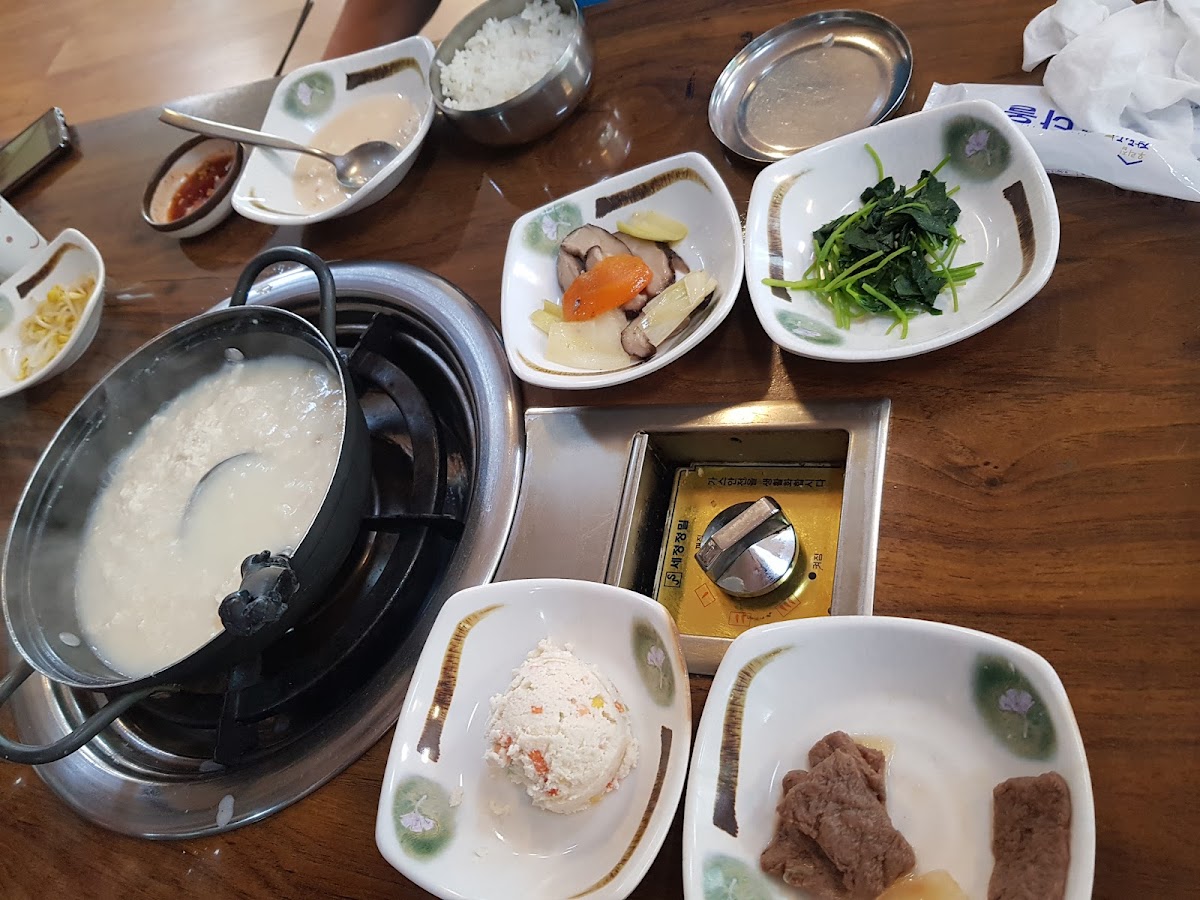
During my visit, I ordered a set menu that included pine nut tofu stew, grilled tofu slices, seasoned mountain vegetables, and a small bowl of pine nut porridge. What stood out immediately was the texture of the tofu. It was silky yet firm, clearly made in-house. When I asked, the staff explained their daily process: non-GMO soybeans are soaked overnight, ground at dawn, and slowly boiled before being coagulated and pressed the traditional way. This careful method preserves protein content and natural flavor. The World Health Organization has long recognized soy as a high-quality plant protein source, and dishes like these show how delicious nutrition can be when handled properly.
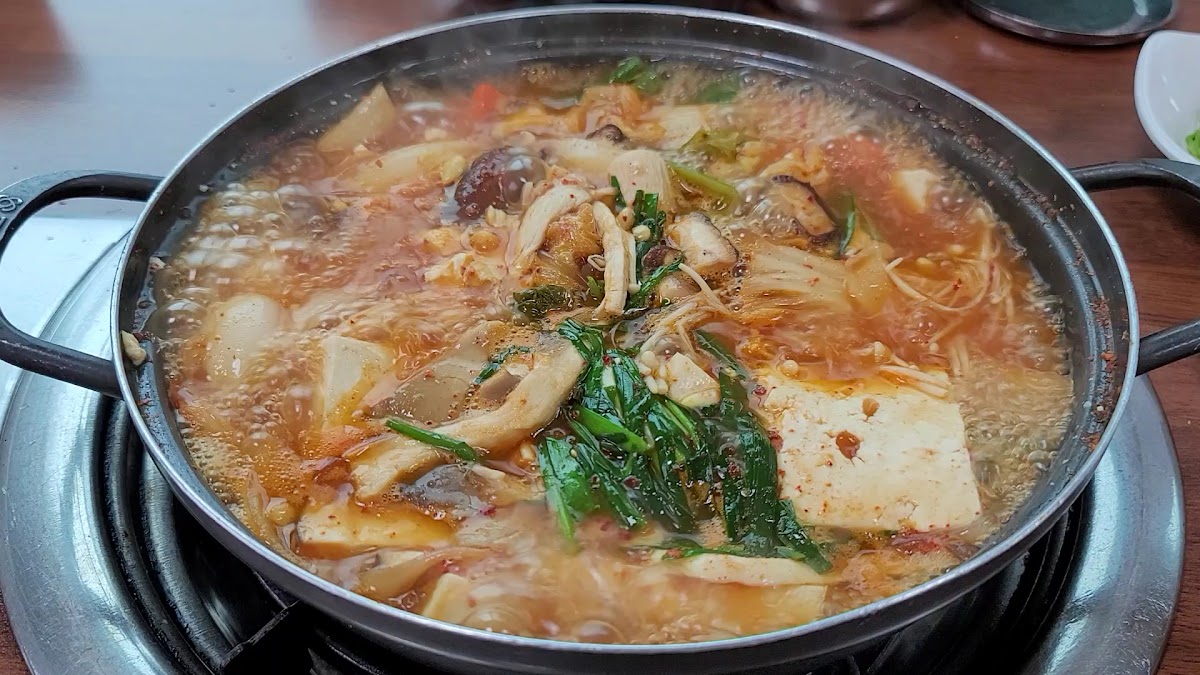
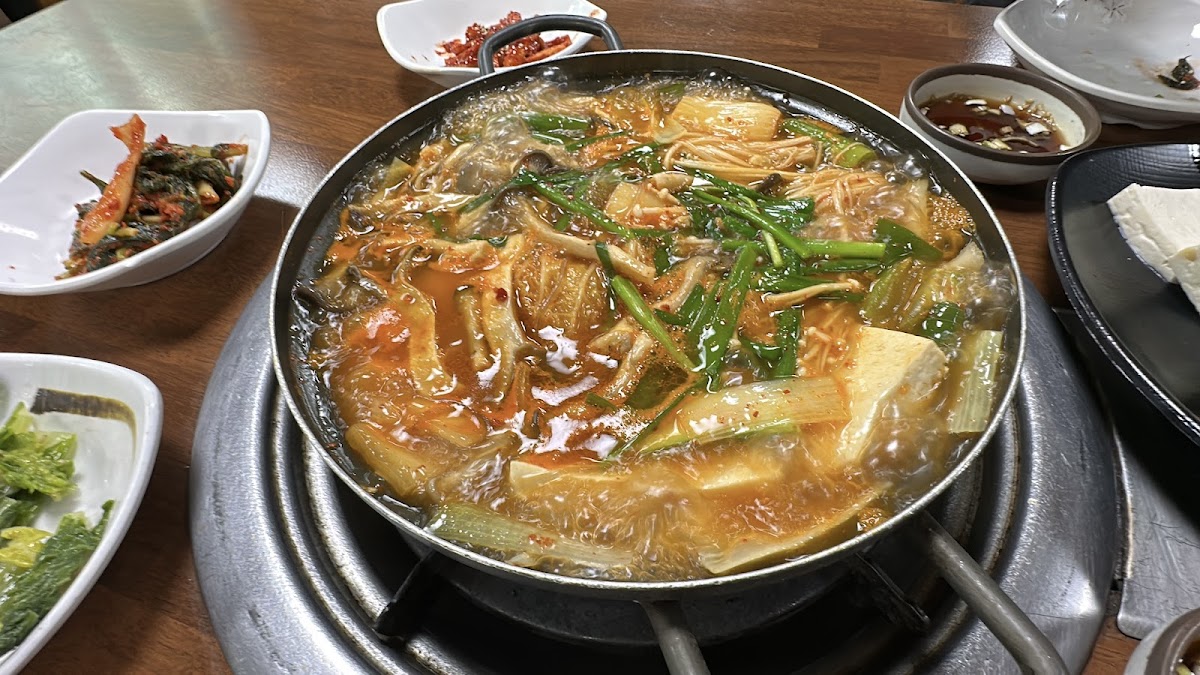
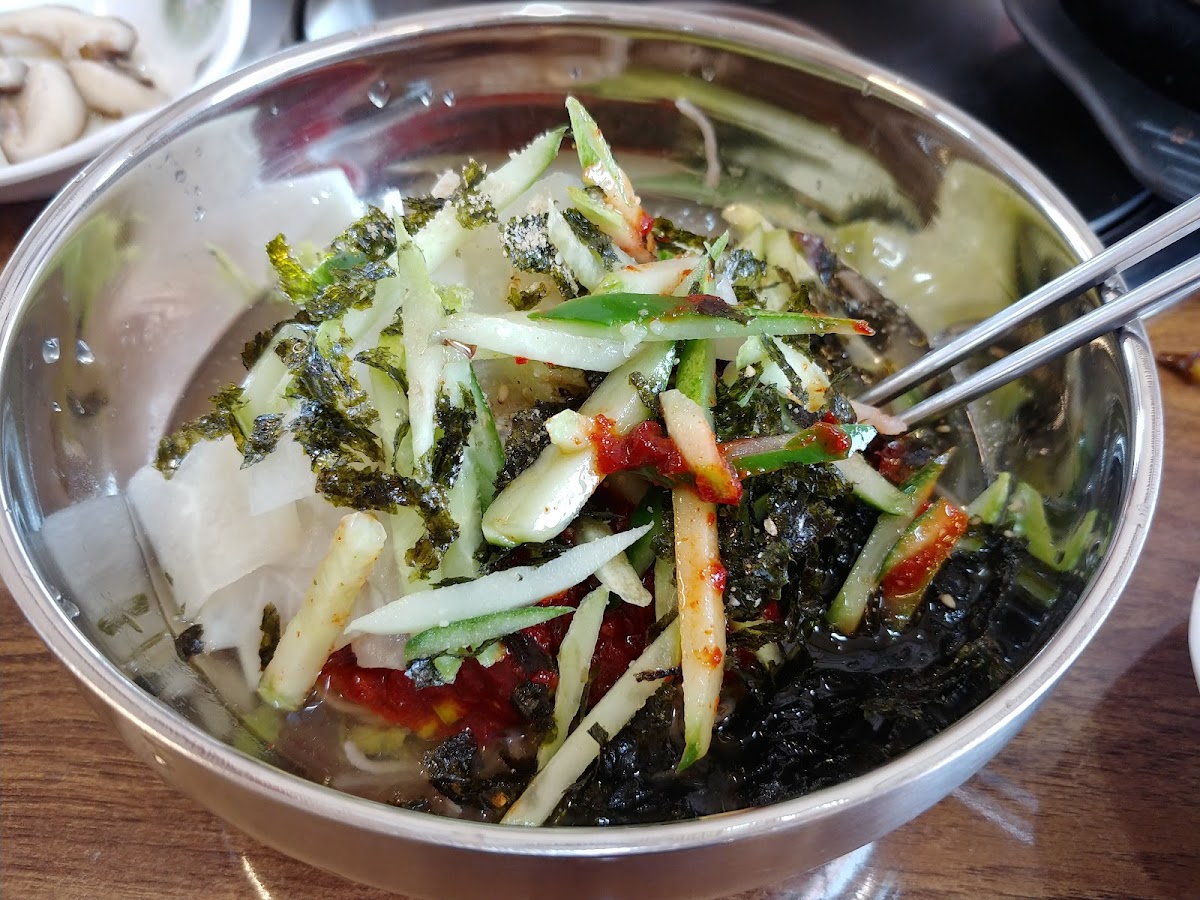
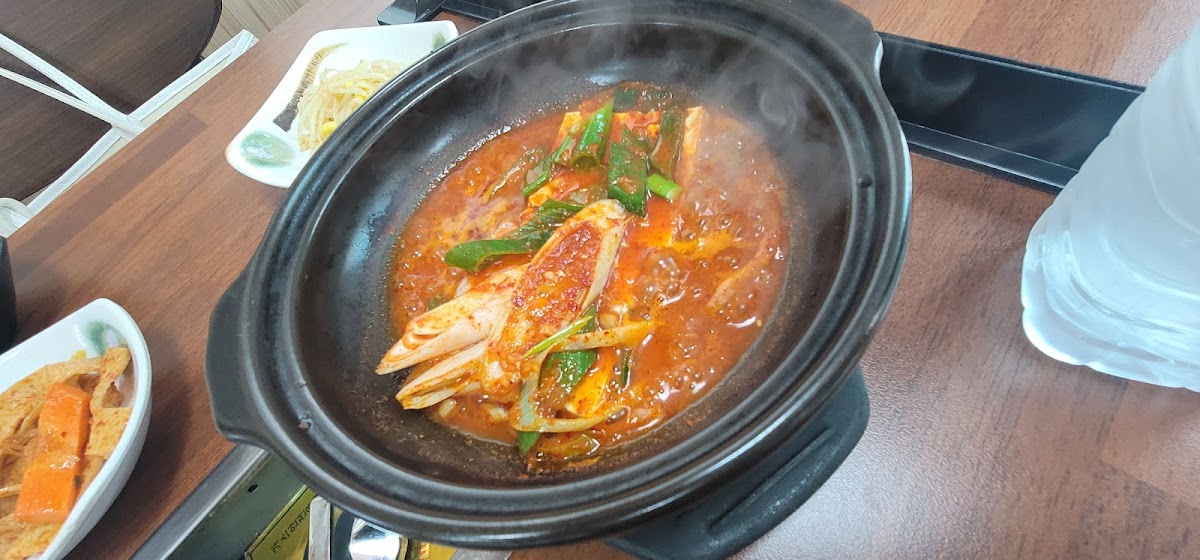
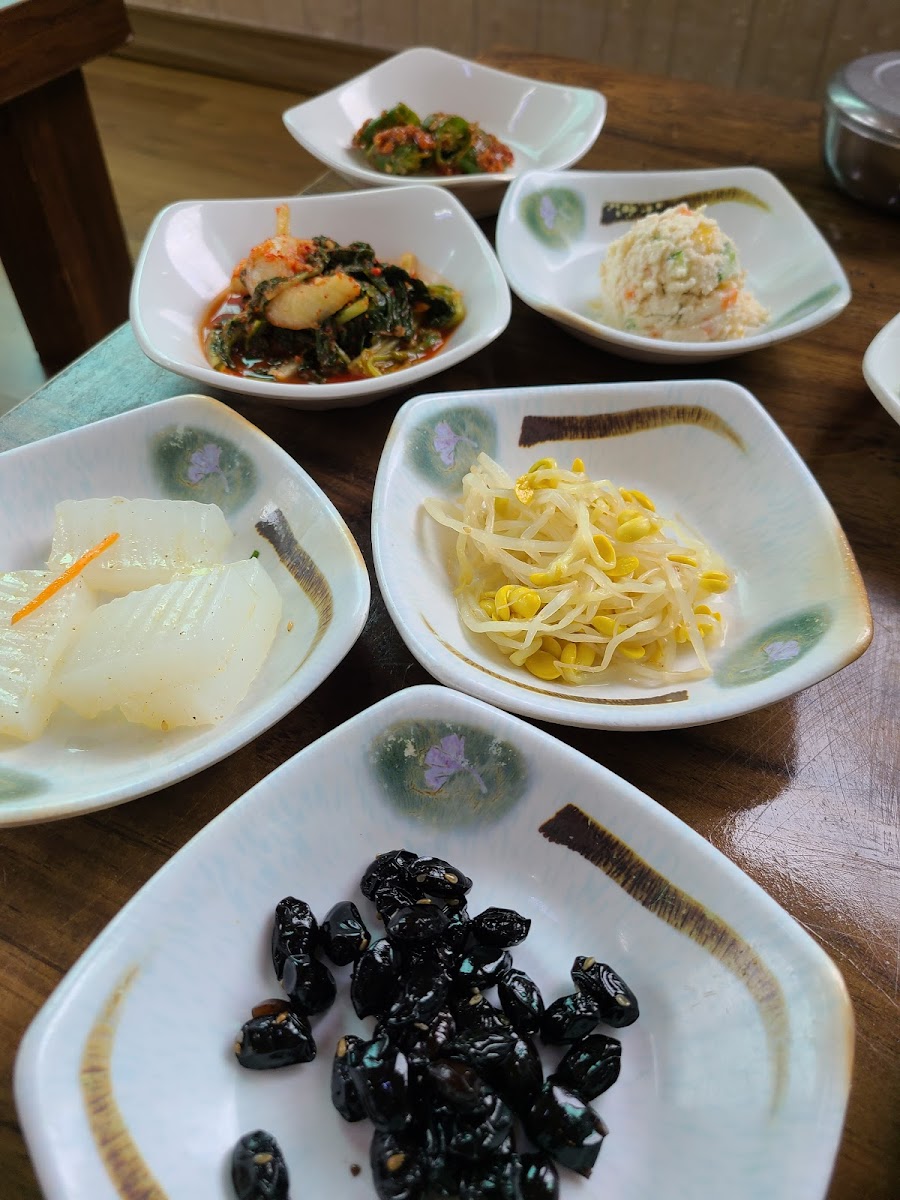
One of the highlights for me was the pine nut tofu hot pot. The broth had a subtle nuttiness that balanced beautifully with the mild soy flavor. It wasn’t overpowering, which is often the case when restaurants try too hard with specialty ingredients. Instead, it felt harmonious. The side dishes, or banchan, were equally thoughtful-lightly seasoned greens, fermented kimchi, and pickled radish that cut through the richness.
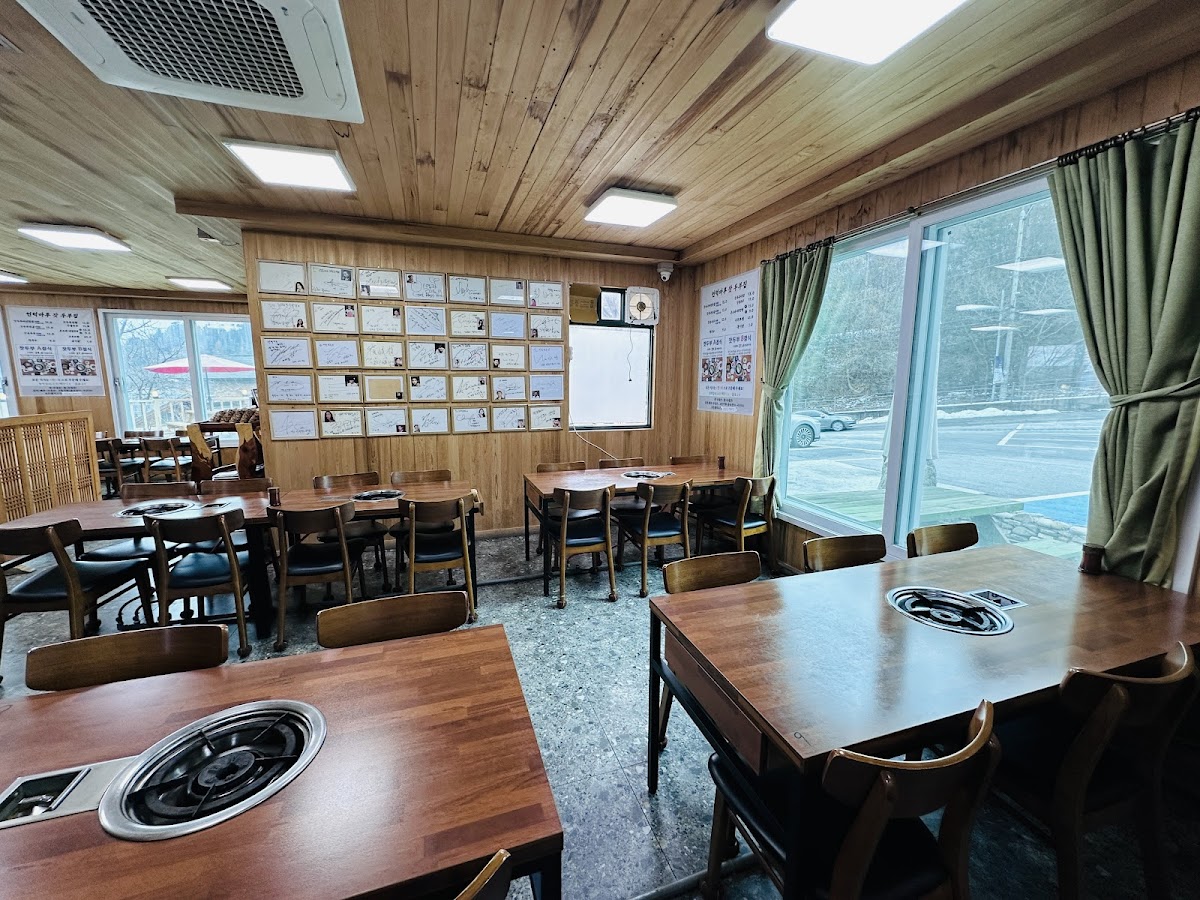
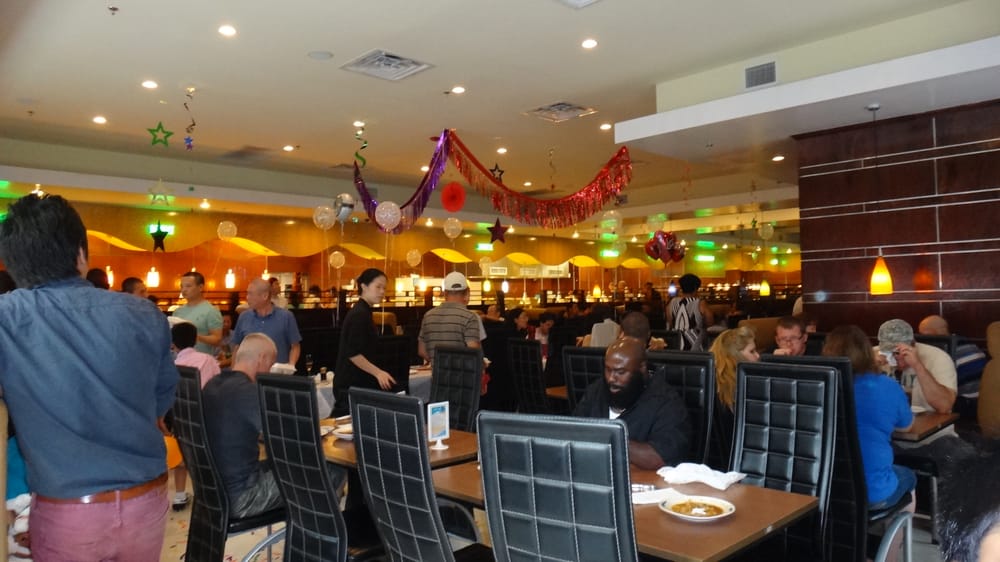
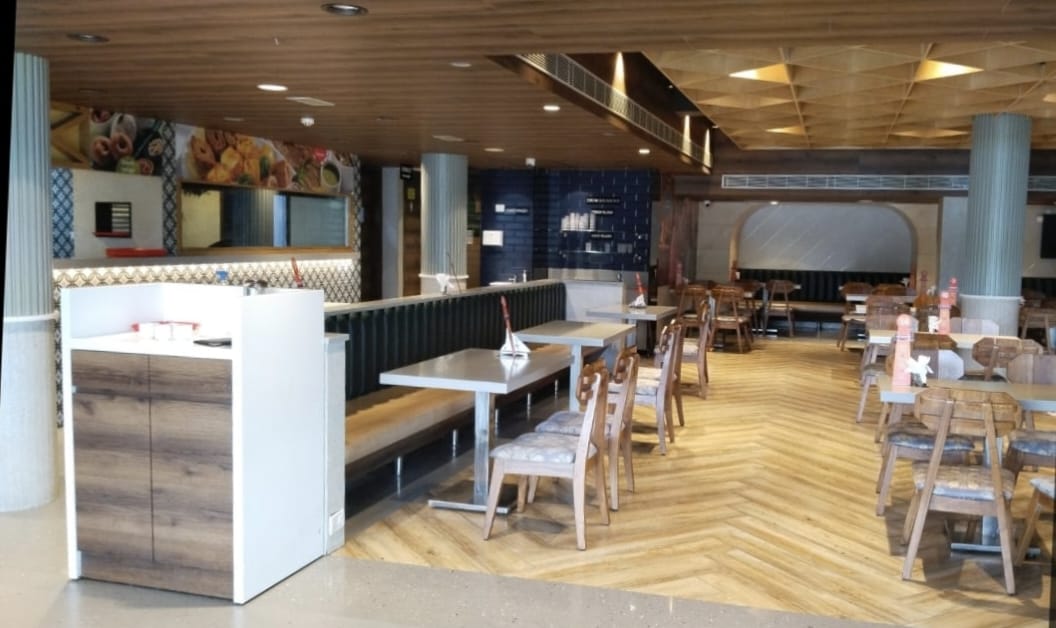
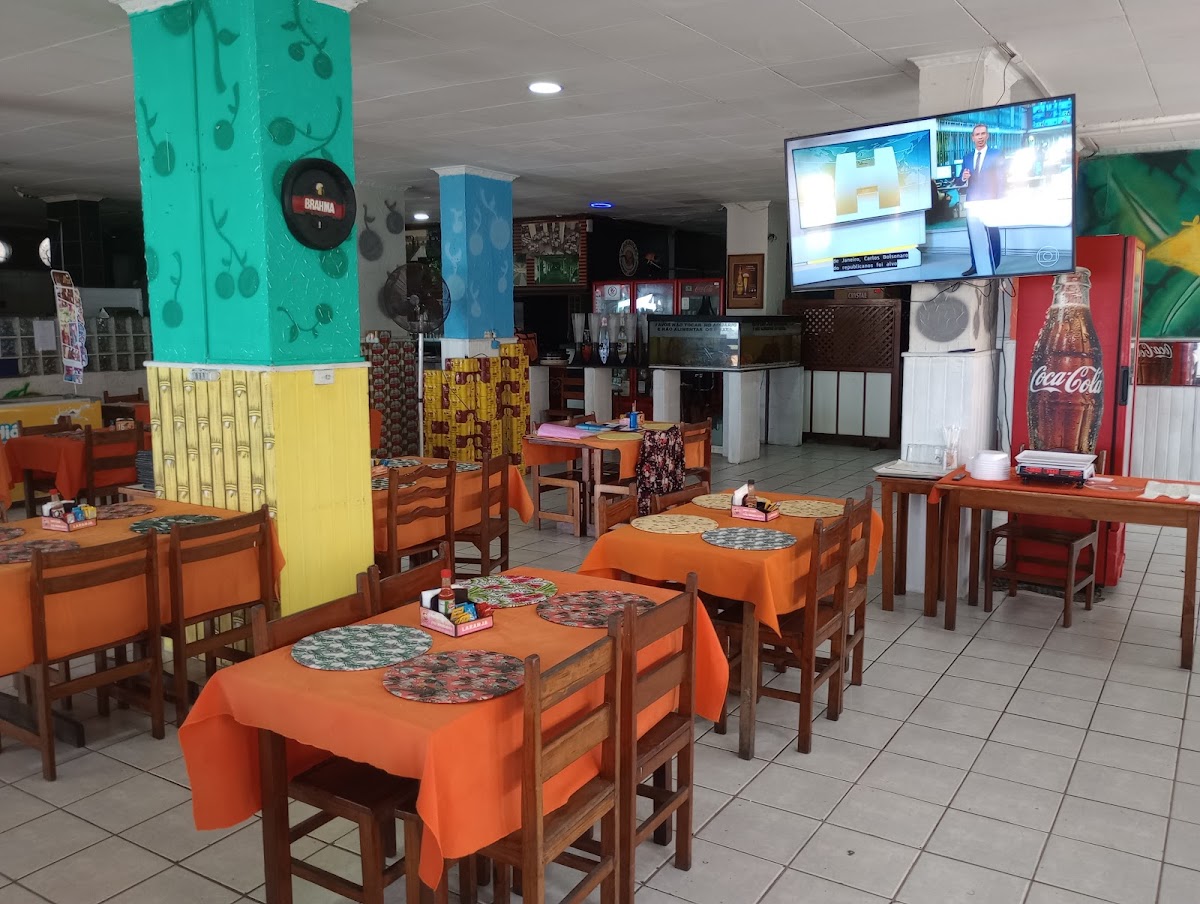
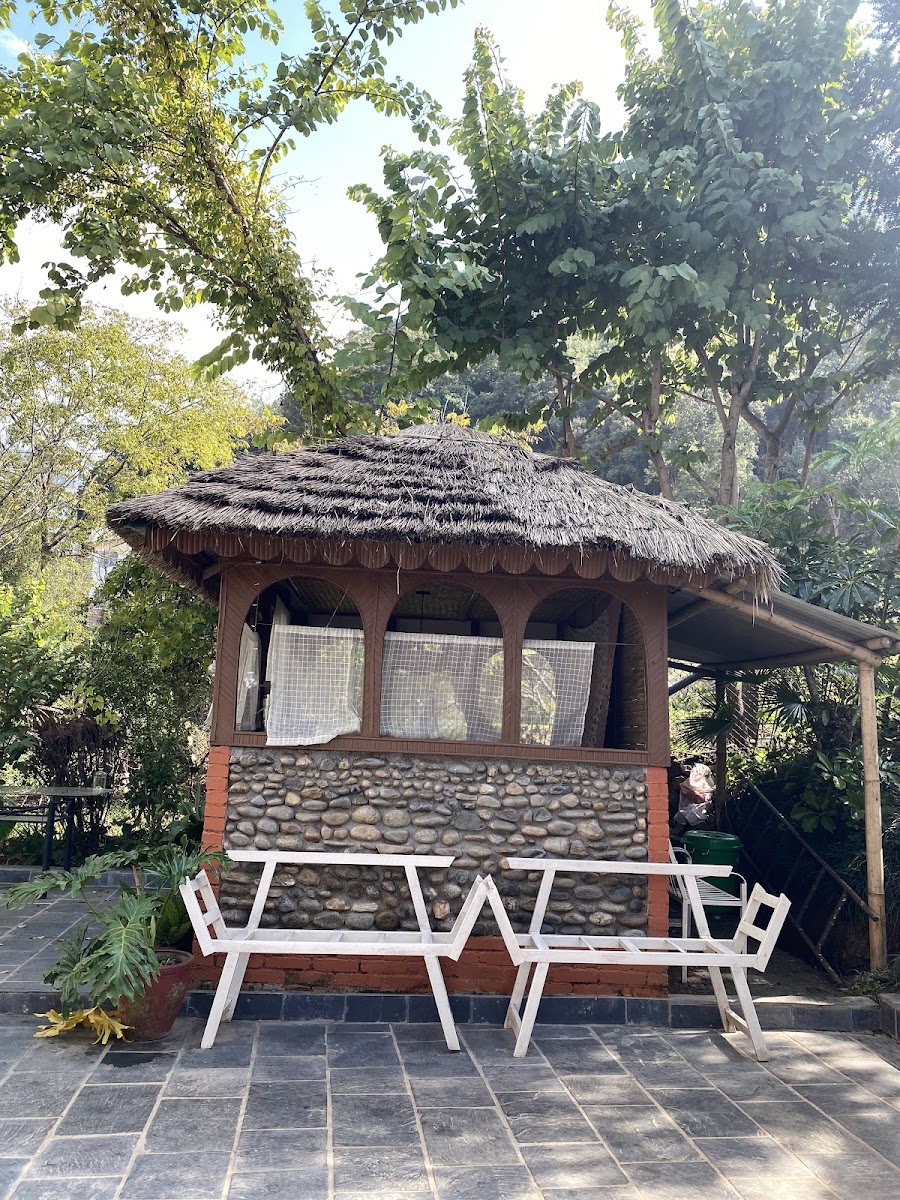
I’ve reviewed several countryside restaurants over the years, and consistency is usually where places struggle. However, multiple online reviews echo my experience here. Diners frequently mention the freshness of the ingredients and the calm, scenic surroundings. The dining room itself is spacious, with wide windows that let in natural light and offer views of nearby trees. It’s the kind of place where families gather for weekend lunches and hikers stop by after exploring the surrounding trails.
From a nutritional perspective, the combination of tofu and pine nuts is more than just traditional-it’s smart. Pine nuts are rich in healthy fats, magnesium, and antioxidants. Research published in nutrition journals highlights their potential role in supporting heart health and satiety. Pairing them with tofu creates a balanced meal that’s high in protein and satisfying without feeling heavy. As someone who often analyzes food trends, I can say this approach aligns perfectly with the growing demand for wholesome, plant-forward dining.
What also builds trust is transparency. The staff openly discuss sourcing and preparation, and while I don’t have access to their full supply chain data, their emphasis on local produce and regional specialties matches what local agricultural cooperatives promote in Gapyeong. It’s clear they’re not chasing trends; they’re honoring what the area already does well.
If you’re scanning restaurant locations in Gapyeong and want something beyond barbecue or fried fare, this spot deserves attention. The menu is focused rather than overwhelming, which usually signals confidence. Prices are reasonable considering the ingredient quality, and portions are generous enough for sharing.
Between the authentic preparation methods, the regionally sourced pine nuts, and the thoughtful presentation, it’s easy to see why this place continues to earn positive reviews. Dining here feels grounded, almost restorative, as though the mountains themselves had a say in the recipe.